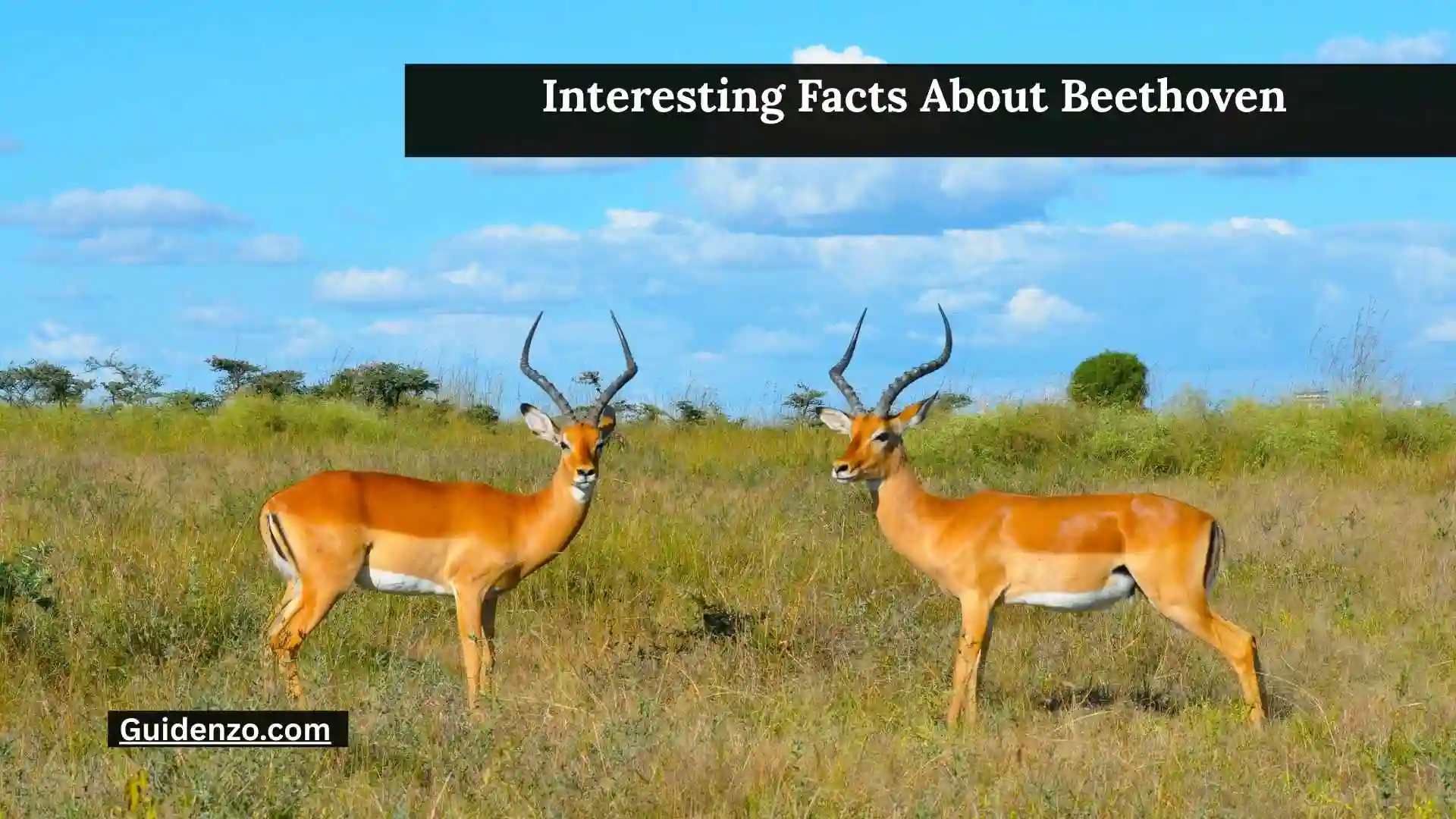
Interesting facts about the savanna reveal one of Earth’s most fascinating ecosystems, where vast grasslands, scattered trees, powerful predators, and enormous herds of animals exist together in a delicate balance. Often associated with Africa’s iconic landscapes, savannas are found on several continents and support some of the planet’s most recognizable wildlife.
The savanna is not simply an empty grassland. It is a complex environment shaped by rainfall, fire, soil, migration, and millions of years of evolution. From lions hunting across golden plains to elephants transforming entire landscapes, every part of the savanna plays an important role.
In this article, you will discover remarkable facts about savanna geography, plants, animals, climate, history, conservation, and why this unique ecosystem matters for the future of our planet.
Quick Answer
The savanna is a tropical grassland ecosystem characterized by warm temperatures, seasonal rainfall, grasses, and scattered trees. It covers large areas of Africa, South America, Australia, and Asia. Savannas support extraordinary biodiversity, including elephants, lions, giraffes, zebras, and countless plant species. Their survival depends on natural cycles of grazing, fire, rainfall, and conservation efforts.
Quick Facts About the Savanna
| Category | Information |
| Topic | Savanna Ecosystem |
| Category | Tropical and subtropical grassland |
| Main Locations | Africa, South America, Australia, Asia |
| Climate | Warm with distinct wet and dry seasons |
| Scientific Classification | Tropical and subtropical grasslands, savannas, and shrublands biome |
| Age | Developed over millions of years through climate and ecological changes |
| Size | Covers approximately 20% of Earth’s land surface |
| Major Wildlife | Lions, elephants, giraffes, zebras, cheetahs, antelopes, birds, reptiles |
| Main Vegetation | Grasses, acacia trees, baobabs, shrubs |
| Rainfall | Usually about 500–1,500 mm annually |
| Lifespan of Ecosystem | Continuously evolving through natural cycles |
| Fun Fact | Some savanna trees can survive fires because of special adaptations |
Interesting Facts About the Savanna
1. The Savanna Covers a Huge Portion of Earth’s Land
The Fact
Savannas are among the largest ecosystems on Earth, covering roughly one-fifth of the planet’s land surface. They stretch across continents, including large parts of Africa, regions of South America such as Brazil’s Cerrado, northern Australia, and parts of India and Southeast Asia.
Why It Matters
The enormous size of savannas means they influence global climate patterns, biodiversity, and carbon storage. They are not isolated landscapes but major ecological systems connected to forests, deserts, wetlands, and human communities.
Did You Know?
The African savanna is often considered the world’s most famous savanna because it contains some of the largest concentrations of large mammals anywhere on Earth.
Additional Context
Although many people imagine only African plains when they hear “savanna,” scientists recognize many different savanna regions with unique species and environmental conditions.
2. Savannas Have Two Main Seasons
The Fact
Most savannas experience two major seasons: a wet season and a dry season. During the rainy months, grasses grow rapidly and provide food for herbivores. During the dry season, water becomes limited, forcing animals to migrate or search for remaining resources.
Why It Matters
Seasonal changes control almost every aspect of savanna life. Plants, animals, predators, and even human communities have adapted their behavior around these predictable cycles.
Did You Know?
Many African animals time their breeding seasons so that young are born when food is most abundant.
Additional Context
The balance between rainfall and drought determines whether an area remains a savanna or changes into a forest or desert.
3. Savannas Are Not Just Grasslands
The Fact
A common misunderstanding is that savannas are simply grasslands. In reality, they contain a mixture of grasses, shrubs, and scattered trees. The amount of tree cover varies depending on rainfall, soil conditions, fire frequency, and grazing pressure.
Why It Matters
The combination of trees and grass creates habitats for many different species. Trees provide shelter and food, while grasses support grazing animals.
Did You Know?
Some savannas can look almost forest-like during rainy seasons because vegetation grows quickly.
Additional Context
Scientists classify savannas partly by tree density, ranging from open grasslands with few trees to landscapes with many woody plants.
4. Africa’s Serengeti Is One of the Most Famous Savannas
The Fact
The Serengeti ecosystem in East Africa is one of the most well-known savanna regions in the world. Located mainly in Tanzania and extending into Kenya, it is famous for massive wildlife migrations and incredible predator-prey relationships.
Why It Matters
The Serengeti demonstrates how thousands of species interact within a natural system. It also attracts researchers and visitors who study animal behavior and conservation.
Did You Know?
The annual migration of wildebeest and other herbivores is one of the largest animal movements on Earth.
Additional Context
The Serengeti is home to lions, cheetahs, leopards, elephants, giraffes, zebras, and hundreds of bird species.
5. The Great Migration Is a Natural Wonder
The Fact
Every year, millions of wildebeest, along with zebras and gazelles, travel across the Serengeti and Maasai Mara ecosystems in search of fresh grass and water.
Why It Matters
This migration demonstrates the importance of connected habitats. Animals need large areas to survive, reproduce, and find resources.
Did You Know?
The journey is dangerous because migrating animals face predators, rivers, drought, and exhaustion.
Additional Context
The migration follows seasonal rainfall patterns rather than a fixed calendar schedule.
6. Lions Are Important Savanna Predators
The Fact
Lions are among the most famous animals of the African savanna. Living in social groups called prides, they hunt large herbivores such as zebras, wildebeest, and buffalo.
Why It Matters
As apex predators, lions help maintain healthy ecosystems by controlling herbivore populations.
Did You Know?
Female lions usually perform most of the hunting within a pride.
Additional Context
Healthy predator populations often indicate that an ecosystem still has enough prey, space, and natural balance.
7. Elephants Shape the Savanna Landscape
The Fact
African elephants are ecosystem engineers because their activities physically change their environment. They knock down trees, create pathways, dig for water, and spread seeds through their movement.
Why It Matters
Elephants influence plant growth and create opportunities for other species.
Did You Know?
A single elephant can eat hundreds of kilograms of vegetation in one day.
Additional Context
Although elephants can damage vegetation in some situations, their natural role is essential for maintaining ecosystem diversity.
8. Acacia Trees Have Special Adaptations
The Fact
Acacia trees, now often classified under different scientific groups such as Vachellia and Senegalia, are iconic savanna plants. They survive harsh conditions through deep roots, small leaves, and defenses against herbivores.
Why It Matters
These trees provide food, shade, and shelter for many animals.
Did You Know?
Some acacia trees can communicate chemically when attacked by herbivores, warning nearby plants.
Additional Context
Their adaptations allow them to survive long dry seasons and occasional fires.
9. Fire Is a Natural Part of Many Savannas
The Fact
Fire plays an important ecological role in many savanna environments. Natural fires remove old plant material, recycle nutrients, and prevent some woody plants from taking over grasslands.
Why It Matters
Without periodic fire, some savannas could gradually transform into forests or shrublands.
Did You Know?
Many savanna grasses grow from underground structures that allow them to recover after fires.
Additional Context
The timing and frequency of fires determine whether they benefit or harm the ecosystem.
10. Savanna Grass Can Grow Extremely Quickly
The Fact
Savanna grasses are adapted to rapid growth during rainy seasons. Their underground roots and growth points allow them to recover after grazing and fire.
Why It Matters
Grass provides the foundation of the savanna food chain, supporting millions of herbivores.
Did You Know?
Many grazing animals specialize in eating different grass heights, reducing competition.
Additional Context
Grass diversity helps maintain soil health and supports insects, birds, and mammals.
11. Giraffes Are Built for Savanna Life
The Fact
Giraffes are perfectly adapted to open savanna environments. Their long necks allow them to feed on leaves high above the reach of many other herbivores.
Why It Matters
By feeding at different heights, giraffes reduce competition with animals that eat ground vegetation.
Did You Know?
A giraffe’s neck contains the same number of vertebrae as a human neck: seven.
Additional Context
Their height also helps them spot predators from far away.
12. The Savanna Has Incredible Bird Diversity
The Fact
Savannas support thousands of bird species, including vultures, eagles, ostriches, hornbills, and colorful smaller birds.
Why It Matters
Birds contribute to seed spreading, insect control, and ecosystem balance.
Did You Know?
Ostriches are the largest living birds and are native to African savanna regions.
Additional Context
Bird populations can reveal changes in environmental health because they respond quickly to habitat changes.
13. Some Savanna Animals Migrate Long Distances
The Fact
Many savanna animals move seasonally to find food and water. Migration allows species to survive unpredictable conditions.
Why It Matters
Migration prevents overuse of resources in one area and supports ecosystem renewal.
Did You Know?
Some migrations cover hundreds of miles.
Additional Context
Human activities such as fences and roads can interrupt traditional migration routes.
14. The Savanna Supports Ancient Human History
The Fact
Many scientists believe African savannas played an important role in human evolution. Early human ancestors lived in environments where forests and grasslands existed together.
Why It Matters
Savanna landscapes provided access to food, water, and varied habitats.
Did You Know?
Fossil discoveries in African savanna regions have helped researchers understand human origins.
Additional Context
Human evolution was influenced by changing environments over millions of years.
15. Savanna Soils Can Be Surprisingly Diverse
The Fact
Savanna soils vary widely depending on geology, rainfall, and vegetation. Some are nutrient-rich, while others are heavily weathered and less fertile.
Why It Matters
Soil determines which plants can grow and influences animal populations.
Did You Know?
Some savanna regions depend on nutrient recycling from plant material and animal waste.
Additional Context
Healthy soil is essential for both wildlife conservation and agriculture.
16. The Amazon’s Cerrado Is a Unique Savanna
The Fact
Brazil’s Cerrado is one of the world’s most biodiverse savannas. It contains thousands of plant species and many animals found nowhere else.
Why It Matters
The Cerrado plays an important role in South American water cycles and biodiversity conservation.
Did You Know?
The Cerrado contains deep-rooted plants adapted to seasonal drought and fire.
Additional Context
Despite its importance, much of the Cerrado has been converted for agriculture.
17. Australian Savannas Are Among the Largest
The Fact
Northern Australia contains one of the world’s largest tropical savanna regions. These landscapes support unique animals such as wallabies, kangaroos, reptiles, and many bird species.
Why It Matters
Australian savannas have evolved separately from African savannas and contain different wildlife communities.
Did You Know?
Many Australian savanna plants are highly adapted to frequent fires.
Additional Context
Indigenous land management practices have shaped these ecosystems for thousands of years.
18. Termites Are Savanna Architects
The Fact
Termites play a major role in many savannas by breaking down plant material and recycling nutrients. Their large mounds also influence soil structure and water movement.
Why It Matters
Small organisms can have enormous impacts on ecosystem function.
Did You Know?
Some termite colonies can survive for decades.
Additional Context
Termite activity creates microhabitats used by many other species.
19. The Savanna Food Web Is Highly Connected
The Fact
Every organism in the savanna contributes to a complex food web. Plants support herbivores, herbivores support predators, and decomposers recycle nutrients.
Why It Matters
Removing one species can affect many others.
Did You Know?
Scavengers such as vultures help prevent disease by consuming dead animals.
Additional Context
Conservation focuses on protecting entire systems rather than individual species alone.
20. Savannas Store Carbon
The Fact
Savannas store carbon in their vegetation and especially in their extensive root systems and soils.
Why It Matters
Healthy savannas can help regulate atmospheric carbon levels and contribute to climate stability.
Did You Know?
Grass roots often extend deep underground, storing carbon below the surface.
Additional Context
Protecting savannas is important for both biodiversity and climate goals.
Timeline of Savanna History
| Period | Event |
| Millions of years ago | Grasslands expanded as climates changed |
| Early human history | Human ancestors lived in changing savanna environments |
| Thousands of years ago | Indigenous communities developed land management practices |
| 19th–20th centuries | Scientific exploration of savanna ecosystems increased |
| Modern era | Conservation programs expanded to protect savanna wildlife |
Savanna Statistics Table
| Feature | Approximate Information |
| Global Land Coverage | About 20% |
| Annual Rainfall | 500–1,500 mm |
| Main Seasons | Wet and dry |
| Largest Savanna Region | Tropical savannas of Africa and Australia |
| Famous Migration | Serengeti wildebeest migration |
| Major Threats | Habitat loss, climate change, illegal hunting |
Myth vs Fact
| Myth | Fact |
| Savannas are empty grasslands | Savannas contain complex ecosystems with thousands of species |
| All savannas are in Africa | Savannas exist across multiple continents |
| Fire always destroys savannas | Controlled natural fire cycles can maintain ecosystem health |
| Trees cannot survive savanna conditions | Many trees have special drought and fire adaptations |
| Savannas have no human connection | Humans have lived in and influenced savannas for thousands of years |
Common Misconceptions About Savannas
Many people believe savannas are simply dry landscapes filled with grass, but they are much more complex. They contain wetlands, forests, rivers, underground water systems, and diverse communities of organisms.
Another misconception is that all savannas are hot and dry all year. In reality, many experience significant seasonal rainfall and dramatic changes between wet and dry periods.
People also often assume conservation only means protecting large animals. However, insects, plants, fungi, soil organisms, and microorganisms are equally important.
Why the Savanna Matters Today
The savanna matters because it supports biodiversity, stores carbon, protects water systems, and provides resources for millions of people.
Modern challenges such as agriculture expansion, climate change, habitat fragmentation, and wildlife trafficking threaten many savanna regions. Protecting these ecosystems helps preserve species while maintaining natural processes that benefit humans.
Related Discoveries
Research on savannas has helped scientists understand:
- Animal migration patterns
- Climate adaptation
- Fire ecology
- Human evolution
- Biodiversity conservation
- Carbon storage
- Sustainable land management
Savanna studies also contribute to broader research about how ecosystems respond to environmental changes.
Expert Insights
Scientists view savannas as dynamic ecosystems rather than damaged forests or empty grasslands. Their unique balance between trees, grasses, rainfall, and fire creates conditions that support extraordinary biodiversity.
Successful conservation requires understanding natural processes. For example, removing all fires may harm some savannas, while uncontrolled burning may damage others. The goal is maintaining the ecological patterns that allowed these environments to survive for thousands of years.
Protecting migration routes, supporting local communities, and reducing habitat destruction are among the most important strategies for savanna conservation.
Frequently Asked Questions
What is a savanna?
A savanna is a grassland ecosystem with warm temperatures, seasonal rainfall, grasses, and scattered trees. It exists mainly in tropical and subtropical regions and supports many large animals.
Where are savannas found?
Savannas are found in Africa, South America, Australia, and parts of Asia. The African savanna is the most famous, but other continents have unique savanna ecosystems.
What animals live in the savanna?
Savannas are home to lions, elephants, giraffes, zebras, cheetahs, antelopes, birds, reptiles, insects, and many smaller organisms.
Why are fires important in savannas?
Fire helps recycle nutrients, remove old vegetation, and maintain the balance between grasses and trees. However, fire effects depend on timing and intensity.
How are savannas different from deserts?
Savannas receive more rainfall than deserts and support much more vegetation and wildlife. They have seasonal dry periods but are not completely dry environments.
Are savannas endangered?
Many savanna regions face threats from habitat loss, climate change, and human activities. Conservation efforts aim to protect wildlife and ecosystem functions.
Why are elephants important in savannas?
Elephants shape landscapes by spreading seeds, creating pathways, digging water sources, and influencing plant growth.
Do humans live in savannas?
Yes. Many communities depend on savannas for farming, grazing, cultural traditions, and natural resources.
What is the largest savanna in the world?
Large tropical savanna regions exist in Africa, Australia, and South America. Determining the single largest depends on how scientists define savanna boundaries.
Can savannas become forests?
Yes. If rainfall patterns, fire frequency, and other conditions change, some savanna areas can become more forest-like over time.
Key Takeaways
- Savannas are complex ecosystems, not simple grasslands.
- They cover about one-fifth of Earth’s land surface.
- Seasonal rainfall shapes life in the savanna.
- Fire, grazing, and migration help maintain ecological balance.
- Savannas support some of the world’s most famous wildlife.
- Elephants, termites, grasses, and predators all influence the ecosystem.
- Protecting savannas helps conserve biodiversity and fight climate challenges.
Conclusion
Interesting facts about the savanna show that this ecosystem is one of Earth’s greatest natural treasures. From powerful lions and migrating herds to tiny insects and underground root systems, every part of the savanna contributes to its survival.
The savanna is a place of constant change, where rain, fire, plants, and animals interact in a remarkable cycle. Understanding this ecosystem helps us appreciate its importance and recognize why protecting it is essential for future generations.

I am Oliver Ashford, a curious writer with a passion for uncovering the surprising stories hidden behind everyday things. I enjoy exploring history, science, nature, and unusual human achievements. Through my writing, I aim to make learning enjoyable by turning fascinating information into simple, engaging, and memorable facts.
Books:
- The Curious World: 500 Facts That Surprise Everyone
- Hidden Stories Behind Everyday Things