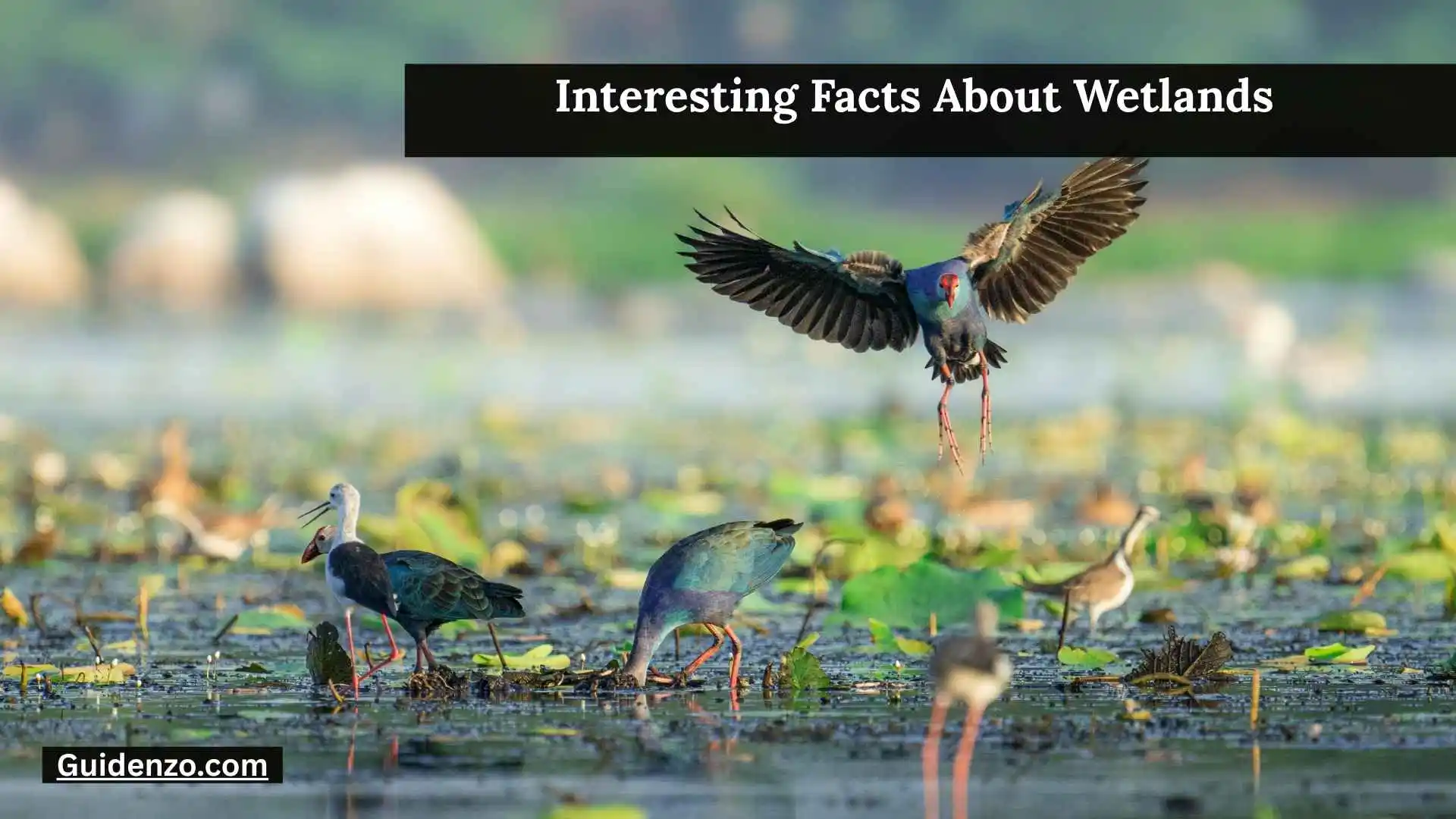
Interesting facts about wetlands reveal that these landscapes are far more than muddy areas filled with water. Wetlands are some of the most productive and important ecosystems on Earth, supporting wildlife, protecting communities, storing carbon, and improving water quality. From tropical mangrove forests and coastal marshes to freshwater swamps and peatlands, wetlands exist on every continent except Antarctica.
They may look quiet, but they are constantly working as natural filters, flood protectors, and wildlife nurseries. In this article, you will discover fascinating facts about wetlands, their scientific importance, history, biodiversity, environmental benefits, and why protecting them matters for the future of our planet.
Quick Answer
Wetlands are ecosystems where water covers or saturates the soil for long periods, creating unique environments for plants, animals, and microorganisms. They include marshes, swamps, bogs, fens, and mangroves. Wetlands help control floods, clean water, store carbon, support biodiversity, and provide habitats for millions of species. They are among Earth’s most valuable natural systems.
Quick Facts About Wetlands
| Topic | Details |
| Category | Natural ecosystem |
| Definition | Land areas where water influences soil and plant life |
| Main Types | Marshes, swamps, bogs, fens, mangroves |
| Location | Found worldwide except Antarctica |
| Formation | Created by natural water movement, climate, and geology |
| Estimated Global Area | About 12 million square kilometers |
| Scientific Study | Wetland ecology |
| Importance | Biodiversity, flood control, water purification, climate regulation |
| Major Wildlife | Birds, fish, amphibians, reptiles, mammals, insects |
| Famous Examples | Everglades, Pantanal, Okavango Delta, Sundarbans |
| Fun Fact | Some wetlands store more carbon than many forests |
30 Interesting Facts About Wetlands
1. Wetlands Cover a Significant Part of Earth’s Surface
The Fact: Wetlands cover roughly 6% of Earth’s land surface, although estimates vary depending on how wetlands are defined and measured. They appear in many forms, including coastal marshes, inland swamps, peatlands, and floodplain ecosystems.
Why It Matters: Despite covering a smaller area than forests or grasslands, wetlands provide environmental services far beyond their size.
Did You Know? Some wetlands are temporary and appear only during rainy seasons.
Additional Context: Scientists use water conditions, soil characteristics, and plant communities to identify wetlands.
2. Wetlands Exist on Every Continent Except Antarctica
The Fact: Wetlands occur across the globe, from tropical mangrove forests near the equator to frozen Arctic peatlands. Their appearance changes dramatically depending on climate, geography, and water availability.
Why It Matters: This global distribution shows that wetlands are adaptable ecosystems with importance in many environments.
Did You Know? Arctic wetlands play a major role in storing carbon despite their cold temperatures.
Additional Context: Different regions develop unique wetland types based on local conditions.
3. Wetlands Act Like Natural Water Filters
The Fact: Wetlands naturally remove pollutants, sediments, and excess nutrients from water. Plants, microorganisms, and wetland soils trap harmful substances before they reach rivers, lakes, and oceans.
Why It Matters: Clean water supports healthier ecosystems and safer drinking water supplies.
Did You Know? Constructed wetlands are sometimes created by humans to treat wastewater.
Additional Context: Wetland plants absorb nutrients such as nitrogen and phosphorus, reducing pollution problems.
4. Wetlands Help Prevent Flooding
The Fact: Wetlands store large amounts of water during storms and heavy rainfall. Their soils and vegetation slow water movement, reducing the speed and severity of floods.
Why It Matters: Wetlands protect homes, farms, and communities by acting as natural flood barriers.
Did You Know? Destroying wetlands can increase flood risks in nearby areas.
Additional Context: Flood protection is one reason many governments work to restore damaged wetlands.
5. Wetlands Are Home to Incredible Biodiversity
The Fact: Wetlands support thousands of plant and animal species, including birds, fish, amphibians, insects, reptiles, and mammals. Many species depend on wetlands for breeding, feeding, and shelter.
Why It Matters: Losing wetlands can threaten entire food webs.
Did You Know? Many migratory birds depend on wetlands as resting places during long journeys.
Additional Context: Wetlands often contain species found nowhere else.
6. Mangroves Protect Coastal Areas
The Fact: Mangrove wetlands grow along tropical coastlines where saltwater and freshwater mix. Their tangled roots reduce erosion, weaken waves, and provide nurseries for marine life.
Why It Matters: Coastal communities benefit from natural protection against storms and rising seas.
Did You Know? Young fish often spend early stages of life among mangrove roots.
Additional Context: Mangrove forests are among the most valuable coastal ecosystems on Earth.
7. Peatlands Store Massive Amounts of Carbon
The Fact: Peatlands are wetlands made from partially decomposed plant material that accumulates over thousands of years. They store enormous amounts of carbon in their waterlogged soils.
Why It Matters: Healthy peatlands help slow climate change by keeping carbon locked underground.
Did You Know? Damaging peatlands can release stored carbon into the atmosphere.
Additional Context: Peatlands cover only a small portion of land but contain significant carbon reserves.
8. Wetlands Support Migratory Birds
The Fact: Millions of birds travel thousands of miles between breeding and wintering areas, relying on wetlands as important stopover locations.
Why It Matters: Without wetlands, many bird populations would struggle to survive long migrations.
Did You Know? Shorebirds often depend on coastal wetlands for food during migration.
Additional Context: International agreements protect important wetlands used by migratory species.
9. The Everglades Is One of the World’s Most Famous Wetlands
The Fact: The Everglades in Florida is a vast subtropical wetland known for unique habitats, slow-moving water, and diverse wildlife, including alligators, wading birds, and rare plants.
Why It Matters: The ecosystem demonstrates how wetlands influence water supplies and biodiversity.
Did You Know? The Everglades has been called a “river of grass” because of its flowing water and vegetation.
Additional Context: Conservation efforts continue to restore natural water patterns.
10. Wetlands Can Reduce Climate Change Impacts
The Fact: Many wetlands store carbon and help regulate climate systems. Coastal wetlands such as salt marshes and mangroves capture carbon in plants and sediments.
Why It Matters: Protecting wetlands is considered an important nature-based climate solution.
Did You Know? Carbon stored in coastal wetlands is often called “blue carbon.”
Additional Context: Restoration projects can help recover lost climate benefits.
11. Wetlands Provide Fish Habitats
The Fact: Rivers, marshes, mangroves, and coastal wetlands provide breeding and feeding areas for many fish species.
Why It Matters: Healthy fish populations support food supplies and local economies.
Did You Know? Many commercially valuable fish species depend on wetlands during part of their life cycle.
Additional Context: Damage to wetlands can affect fisheries far beyond the wetland itself.
12. Some Wetlands Are Thousands of Years Old
The Fact: Certain wetlands have developed over thousands of years through slow processes involving plant growth, water movement, and soil formation.
Why It Matters: Ancient wetlands contain valuable ecological information about past climates.
Did You Know? Peat layers can preserve ancient pollen and plant remains.
Additional Context: Scientists study these layers to understand Earth’s environmental history.
13. Wetlands Have Specialized Plants
The Fact: Wetland plants have adaptations that allow them to survive in waterlogged soils with limited oxygen. Examples include cattails, mangroves, reeds, and water lilies.
Why It Matters: These plants create habitats and maintain ecosystem functions.
Did You Know? Some wetland plants develop special structures to transport oxygen to their roots.
Additional Context: Plant diversity helps wetlands remain stable and productive.
14. Wetlands Are Important for Amphibians
The Fact: Frogs, salamanders, and other amphibians often rely on wetlands because they provide suitable breeding environments.
Why It Matters: Amphibians are sensitive to environmental changes, making them indicators of ecosystem health.
Did You Know? Declining amphibian populations can signal pollution or habitat loss.
Additional Context: Protecting wetlands helps conserve vulnerable species.
15. Wetlands Support Human Communities
The Fact: People have depended on wetlands for thousands of years for fishing, farming, transportation, materials, and cultural practices.
Why It Matters: Wetlands are not only wildlife habitats but also important human resources.
Did You Know? Many communities have traditional knowledge connected to wetland environments.
Additional Context: Sustainable use allows people and ecosystems to benefit together.
16. Wetlands Can Be Freshwater or Saltwater
The Fact: Wetlands vary greatly in water type. Some contain freshwater from rivers and rainfall, while others contain salty coastal waters influenced by oceans.
Why It Matters: Different water conditions create different habitats and support different species.
Did You Know? Salt marshes and freshwater marshes may look similar but function differently.
Additional Context: Water chemistry strongly influences wetland life.
17. The Pantanal Is the World’s Largest Tropical Wetland
The Fact: The Pantanal, located mainly in Brazil with parts extending into Bolivia and Paraguay, is one of the largest tropical wetlands on Earth.
Why It Matters: It supports exceptional wildlife diversity, including jaguars, birds, reptiles, and fish.
Did You Know? Seasonal flooding shapes the entire ecosystem.
Additional Context: The Pantanal depends on natural flood cycles.
18. Wetlands Can Improve Water Quality
The Fact: Wetland ecosystems trap sediments and absorb excess nutrients that can harm aquatic environments.
Why It Matters: They reduce problems such as harmful algal blooms and polluted waterways.
Did You Know? Healthy wetlands can function like natural treatment systems.
Additional Context: Scientists often study wetlands when designing sustainable environmental solutions.
19. Wetlands Are Important for Rare Species
The Fact: Many endangered and threatened species depend on wetland habitats for survival.
Why It Matters: Conserving wetlands protects entire communities of organisms.
Did You Know? A single wetland can support hundreds of interconnected species.
Additional Context: Habitat destruction remains one of the biggest threats to wetland biodiversity.
20. Wetlands Can Recover Through Restoration
The Fact: Damaged wetlands can sometimes be restored by removing barriers, improving water flow, and reintroducing native plants.
Why It Matters: Restoration can bring back wildlife and ecosystem services.
Did You Know? Some restored wetlands become productive habitats within years.
Additional Context: Restoration success depends on local conditions and careful planning.
21. Wetlands Have Cultural Importance
The Fact: Many societies have spiritual, historical, and cultural connections with wetlands. They appear in traditions, stories, art, and local identities.
Why It Matters: Cultural connections often encourage conservation.
Did You Know? Indigenous communities around the world have long managed wetland resources sustainably.
Additional Context: Protecting wetlands also protects cultural heritage.
22. Wetlands Reduce Shoreline Erosion
The Fact: Coastal wetlands slow waves and hold soil in place through dense vegetation and root systems.
Why It Matters: They protect coastlines from gradual erosion.
Did You Know? Mangrove roots act like natural barriers against storms.
Additional Context: Coastal restoration increasingly focuses on rebuilding wetland defenses.
23. Wetlands Are Living Laboratories
The Fact: Scientists study wetlands to understand ecology, climate change, water systems, and species interactions.
Why It Matters: Research from wetlands helps solve environmental challenges.
Did You Know? Wetland studies contribute to conservation strategies worldwide.
Additional Context: These ecosystems reveal how nature responds to changing conditions.
24. Wetlands Can Be Noisy and Full of Life
The Fact: Although wetlands may appear quiet, they often contain complex soundscapes created by birds, insects, frogs, flowing water, and other animals.
Why It Matters: These sounds reflect ecosystem activity and biodiversity.
Did You Know? Scientists can analyze sounds to monitor wildlife populations.
Additional Context: Acoustic monitoring is becoming an important conservation tool.
25. Wetlands Influence Local Weather
The Fact: Large wetlands release moisture through evaporation and plant processes, influencing humidity and local climate conditions.
Why It Matters: Wetlands contribute to regional water cycles.
Did You Know? Changes in wetland areas can affect nearby environments.
Additional Context: Water movement connects wetlands with larger climate systems.
26. Wetlands Can Be Natural Carbon Banks
The Fact: Wetland soils often store carbon for long periods because water slows decomposition.
Why It Matters: Maintaining these carbon stores helps reduce greenhouse gas emissions.
Did You Know? Draining wetlands can disturb this natural storage system.
Additional Context: Conservation protects both biodiversity and climate benefits.
27. Wetlands Are Threatened Worldwide
The Fact: Wetlands face threats from drainage, pollution, development, agriculture, and climate change.
Why It Matters: Losing wetlands means losing flood protection, wildlife habitat, and water-cleaning services.
Did You Know? Conservation organizations consider wetland protection a global priority.
Additional Context: Sustainable management can reduce many threats.
28. The Ramsar Convention Protects Important Wetlands
The Fact: The Ramsar Convention is an international agreement focused on conserving wetlands of global importance.
Why It Matters: It encourages countries to protect valuable wetland ecosystems.
Did You Know? Thousands of important wetland sites have been recognized worldwide.
Additional Context: International cooperation helps protect shared environmental resources.
29. Wetlands Connect Land and Water Ecosystems
The Fact: Wetlands create a transition zone between dry land and aquatic environments.
Why It Matters: This connection allows nutrients, animals, and water to move between ecosystems.
Did You Know? Many species rely on wetlands as links between habitats.
Additional Context: Their position makes wetlands ecologically unique.
30. Protecting Wetlands Benefits Future Generations
The Fact: Conserving wetlands protects biodiversity, clean water, climate stability, and human well-being.
Why It Matters: Healthy wetlands provide benefits that continue for future generations.
Did You Know? Small conservation actions can contribute to larger ecosystem protection.
Additional Context: Wetland preservation is an investment in environmental security.
Wetland Timeline
| Year | Milestone |
| Ancient Times | Human societies begin using wetlands for food, transportation, and resources |
| 1800s–1900s | Large-scale wetland drainage increases for agriculture and development |
| 1971 | Ramsar Convention is adopted to protect important wetlands |
| Late 1900s | Wetland science and conservation programs expand globally |
| 2000s–Present | Restoration and climate-focused wetland protection become major priorities |
Wetland Statistics
| Category | Information |
| Global Wetland Area | Approximately 12 million square kilometers |
| Major Wetland Types | Marshes, swamps, bogs, fens, mangroves |
| Global Species Supported | Thousands of plant and animal species |
| Major Benefits | Flood control, water purification, carbon storage |
| Protected Wetland Sites | Thousands worldwide under international conservation programs |
Myth vs Fact
| Myth | Fact |
| Wetlands are useless empty lands | Wetlands provide essential ecological services |
| All wetlands are the same | Wetlands vary greatly by water type and location |
| Wetlands only benefit animals | Humans also depend on wetlands |
| Wetlands cannot recover after damage | Many wetlands can be restored |
| Swamps are always dangerous places | Swamps are valuable ecosystems full of life |
Common Misconceptions About Wetlands
One common misunderstanding is that wetlands are simply muddy or unusable land. In reality, they are highly productive ecosystems that support biodiversity and protect human communities.
Another misconception is that wetlands are always permanently flooded. Many wetlands experience seasonal changes, with periods of dryness and flooding.
People also often believe wetlands prevent development entirely. Responsible planning can allow communities to grow while protecting important wetland areas.
Why Wetlands Matter Today
Wetlands are increasingly important because the world faces challenges such as climate change, biodiversity loss, flooding, and water pollution. They provide natural solutions that help communities adapt to environmental changes.
Protecting wetlands means protecting clean water, wildlife habitats, coastlines, and climate stability. Unlike many artificial systems, wetlands provide multiple benefits at the same time.
Related Discoveries and Concepts
Wetlands are closely connected with several important environmental topics, including:
- Biodiversity conservation: Protecting species and habitats.
- Blue carbon: Carbon storage in coastal ecosystems.
- Climate adaptation: Using natural systems to reduce environmental risks.
- Ecological restoration: Repairing damaged ecosystems.
- Water management: Maintaining healthy water cycles.
Expert Insights
Scientists increasingly recognize wetlands as essential natural infrastructure. Traditional infrastructure such as dams and drainage systems often focuses on controlling water, while wetlands work with natural processes.
A healthy wetland does not simply store water. It creates habitats, cycles nutrients, captures carbon, and supports complex relationships among species.
Conservation experts emphasize that protecting existing wetlands is usually more effective than trying to rebuild them after destruction. Prevention remains one of the strongest strategies for maintaining these valuable ecosystems.
Frequently Asked Questions
1. What is a wetland?
A wetland is an area where water covers or saturates the soil for enough time to influence plants, animals, and soil characteristics. Wetlands include marshes, swamps, bogs, fens, and mangroves.
2. Why are wetlands important?
Wetlands are important because they filter water, reduce floods, store carbon, support wildlife, protect coastlines, and provide resources for people.
3. Are wetlands found everywhere?
Wetlands exist on every continent except Antarctica. They occur in tropical, temperate, and cold environments.
4. What animals live in wetlands?
Wetlands support birds, fish, frogs, reptiles, insects, mammals, and countless microorganisms.
5. Can wetlands be restored?
Yes. Many damaged wetlands can recover through restoration projects that improve water flow and native habitat conditions.
6. Are wetlands good for climate change?
Yes. Many wetlands store carbon and help reduce greenhouse gas emissions when they remain healthy.
7. What are the main threats to wetlands?
Major threats include pollution, drainage, land development, agriculture, invasive species, and climate change.
8. What is the largest wetland in the world?
The Amazon basin contains enormous wetland areas, while the Pantanal is widely recognized as one of the world’s largest tropical wetlands.
9. How do wetlands clean water?
Wetlands remove pollutants through plant absorption, soil filtration, and microbial processes.
10. Why should people protect wetlands?
Protecting wetlands preserves biodiversity, improves water quality, reduces climate risks, and supports human communities.
Key Takeaways
- Wetlands are among Earth’s most valuable ecosystems.
- They exist in many forms, including marshes, swamps, bogs, and mangroves.
- Wetlands protect communities from floods and storms.
- They support thousands of species worldwide.
- Wetlands store carbon and help fight climate change.
- Healthy wetlands improve water quality naturally.
- Conservation and restoration are essential for their future.
Conclusion
Interesting facts about wetlands show that these ecosystems are far more powerful than they appear. They are not empty spaces filled with water but living systems that protect wildlife, communities, and the planet itself.
From storing carbon and cleaning water to supporting rare species and reducing floods, wetlands perform countless jobs every day. As environmental challenges increase, protecting wetlands becomes more important than ever. Understanding their value is the first step toward preserving these remarkable ecosystems for future generations.

I am Oliver Ashford, a curious writer with a passion for uncovering the surprising stories hidden behind everyday things. I enjoy exploring history, science, nature, and unusual human achievements. Through my writing, I aim to make learning enjoyable by turning fascinating information into simple, engaging, and memorable facts.
Books:
- The Curious World: 500 Facts That Surprise Everyone
- Hidden Stories Behind Everyday Things