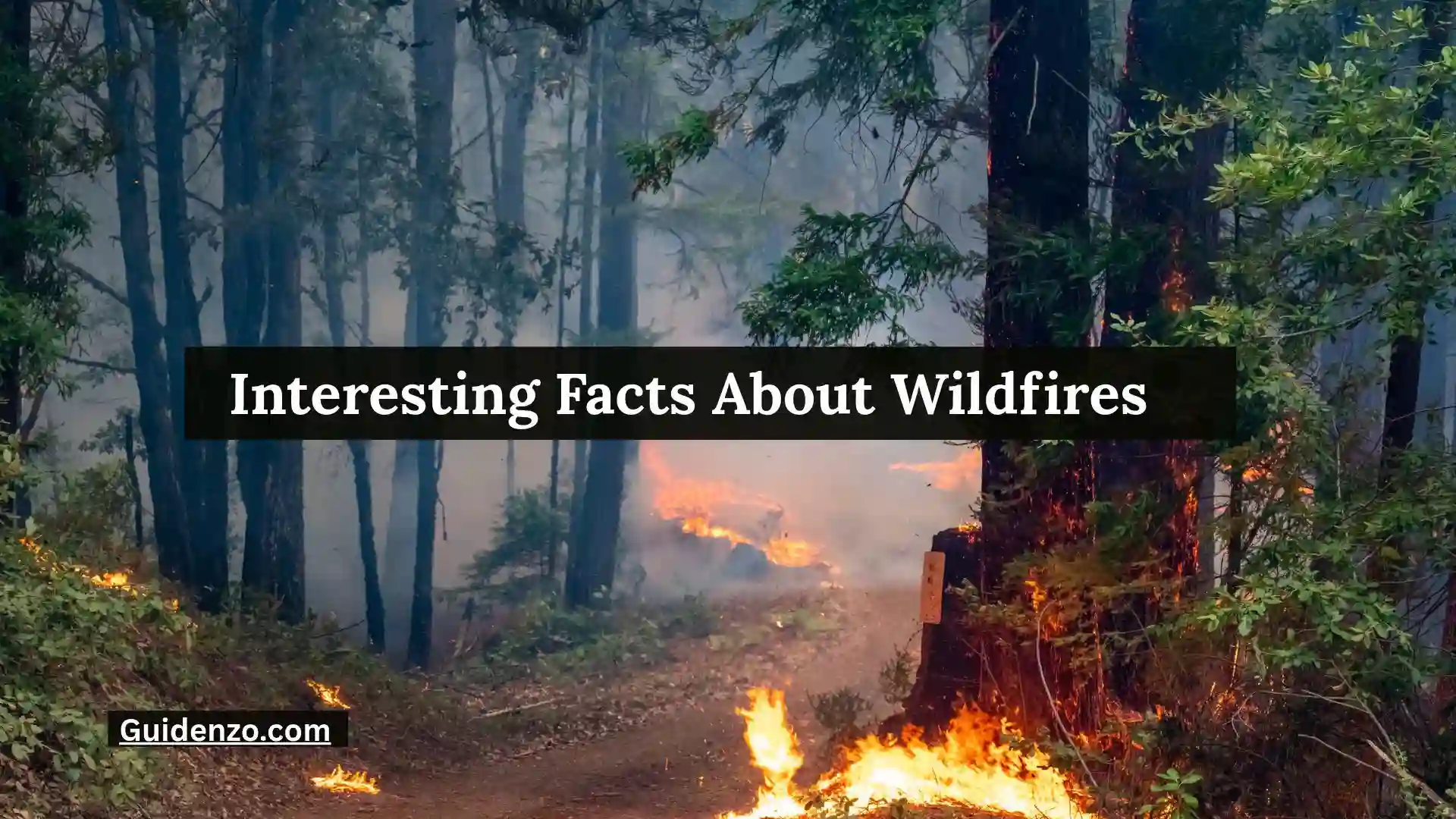
Interesting facts about wildfires reveal one of nature’s most powerful and complex forces. Wildfires can destroy forests, threaten communities, and change landscapes, but they are also a natural part of many ecosystems. For thousands of years, fire has shaped forests, grasslands, and wildlife habitats around the world. Understanding wildfires means looking beyond destruction and exploring the science behind how they start, spread, and influence the environment.
From ancient natural fires caused by lightning to modern megafires intensified by climate conditions, wildfires tell a fascinating story about the relationship between humans, nature, and Earth’s changing climate. This article explores the most surprising facts about wildfires, their history, causes, impacts, and the lessons scientists continue to discover.
Quick Answer
Wildfires are uncontrolled fires that burn vegetation, forests, grasslands, or other natural areas. They can be started by lightning, human activities, or environmental conditions such as drought and extreme heat. Wildfires are both destructive and ecologically important because some ecosystems depend on periodic fire for renewal. Their frequency and intensity have increased in many regions due to climate change, land management practices, and expanding human development near wild areas.
Quick Facts Table
| Topic | Details |
| Category | Natural disaster and ecological process |
| Main Locations | Forests, grasslands, shrublands, and wild areas worldwide |
| Scientific Study | Fire ecology and atmospheric science |
| Main Causes | Lightning, human activities, drought, heat, wind |
| Oldest Evidence | Millions of years old through fossil charcoal records |
| Fire Types | Surface fires, crown fires, and ground fires |
| Largest Recorded Wildfire Events | Occurred in regions such as Russia, Canada, and Australia |
| Affected Ecosystems | Forests, grasslands, wetlands, and wildlife habitats |
| Fire Dependence | Many plants require fire for reproduction |
| Fun Fact | Some pine cones remain sealed until exposed to heat from fire |
Interesting Facts About Wildfires
Fact 1: Wildfires Are a Natural Part of Earth’s History
The Fact
Wildfires have existed for hundreds of millions of years, long before humans appeared. Scientists have discovered charcoal deposits in ancient rocks showing that fire has been part of Earth’s ecosystems since plants first spread across land. Natural fires were commonly started by lightning strikes, volcanic activity, and other environmental events.
Why It Matters
Wildfires are not simply modern disasters. They are a natural process that has helped shape forests, grasslands, and plant evolution. Many ecosystems developed alongside regular fire cycles.
Did You Know?
Some ancient plant species evolved special adaptations because they lived with frequent fires. Thick bark, fire-resistant seeds, and the ability to regrow after burning are examples.
Additional Context
The role of fire has changed dramatically as human populations expanded. While natural fires once burned across large landscapes without human interference, today many fires occur near communities and infrastructure.
Fact 2: Lightning Is One of the Most Important Natural Causes of Wildfires
The Fact
Lightning is one of the leading natural causes of wildfires, especially in remote forests where human activity is limited. A lightning strike can heat vegetation to extremely high temperatures, creating enough energy to ignite dry grass, leaves, or wood.
Why It Matters
Lightning-caused fires often occur in areas where they are difficult to detect and control. They can burn for days before firefighters reach them.
Did You Know?
A lightning bolt can heat the surrounding air to temperatures hotter than the surface of the Sun for a brief moment.
Additional Context
Although lightning starts many fires, weather conditions determine whether a small ignition becomes a major wildfire. Dry vegetation, strong winds, and low humidity can transform a small spark into a large blaze.
Fact 3: Humans Cause Many Wildfires Around the World
The Fact
Human activities are responsible for a significant portion of wildfires globally. Common causes include unattended campfires, discarded cigarettes, equipment sparks, agricultural burning, fireworks, and accidental ignitions.
Why It Matters
Unlike lightning, many human-caused fires are preventable. Safe behavior and responsible land management can reduce wildfire risks.
Did You Know?
A single small spark can start a wildfire when vegetation is extremely dry.
Additional Context
Human-caused fires are especially common near cities and roads because more people interact with fire-prone landscapes.
Fact 4: Wildfires Need Three Basic Ingredients to Burn
The Fact
Every wildfire depends on the “fire triangle”: heat, fuel, and oxygen. Remove any one of these elements, and fire cannot continue. Heat starts the combustion process, fuel provides material to burn, and oxygen allows the chemical reaction to continue.
Why It Matters
Firefighters use this principle when fighting wildfires. They may remove vegetation, cool burning areas with water, or create firebreaks to reduce available fuel.
Did You Know?
The fire triangle concept applies to almost every type of fire, from a candle flame to a massive forest wildfire.
Additional Context
Scientists also use a more advanced model called the “fire tetrahedron,” which includes chemical reactions involved in sustaining fire.
Fact 5: Some Ecosystems Actually Need Fire to Survive
The Fact
Although wildfires can be destructive, some ecosystems depend on regular fire. Certain forests, grasslands, and plant communities have evolved with natural fire cycles that help maintain biodiversity.
Why It Matters
Completely preventing all fires can create problems. Without periodic burning, dead vegetation can accumulate and increase the risk of larger, more severe fires later.
Did You Know?
Some plant species release seeds only after exposure to heat or smoke.
Additional Context
Ecologists study “fire ecology” to understand how controlled and natural fires influence landscapes.
Fact 6: Wildfires Can Create Their Own Weather
The Fact
Large wildfires can generate unique weather conditions. Extreme heat from a fire causes air to rise rapidly, forming powerful columns of smoke and ash called pyrocumulus clouds.
Why It Matters
Fire-generated weather can make wildfires harder to predict and control. These clouds can produce strong winds, lightning, and even new fires.
Did You Know?
Some wildfire clouds can become large enough to resemble thunderstorm systems.
Additional Context
Scientists use satellite data and atmospheric models to study how fire affects weather patterns.
Fact 7: Smoke From Wildfires Can Travel Thousands of Miles
The Fact
Wildfire smoke is not limited to areas near the flames. Tiny particles and gases released by fires can travel across continents and even oceans through atmospheric circulation.
Why It Matters
People far away from a wildfire can experience unhealthy air quality. Smoke exposure can affect breathing and visibility.
Did You Know?
Wildfire smoke from Canada has reached parts of the United States hundreds of miles away.
Additional Context
Air quality monitoring systems track wildfire smoke movement to warn communities.
Fact 8: Some Trees Are Built to Survive Fire
The Fact
Many tree species have developed adaptations that allow them to survive wildfires. Thick bark, high branches, and protected buds help certain trees withstand heat.
Why It Matters
Fire survival helps forests recover after burning and maintains plant diversity.
Did You Know?
Giant sequoias have thick, fire-resistant bark that can protect them from many low-intensity fires.
Additional Context
Not all trees survive fire. The outcome depends on fire intensity, tree species, and environmental conditions.
Fact 9: Wildfires Can Spread Extremely Quickly
The Fact
Wildfire speed depends on wind, terrain, vegetation type, and moisture levels. Under extreme conditions, fires can move faster than people can safely escape on foot.
Why It Matters
Rapid spread is one reason emergency planning and early warnings are essential in fire-prone regions.
Did You Know?
Grass fires can spread particularly quickly because dry grasses ignite easily and provide continuous fuel.
Additional Context
Fire behavior specialists study wind patterns, fuel conditions, and landscape features to predict wildfire movement.
Fact 10: Wind Is One of the Biggest Drivers of Wildfire Growth
The Fact
Strong winds can push flames forward, carry burning embers, and create new ignition points away from the main fire. These flying embers are called firebrands.
Why It Matters
A wildfire does not only move as a wall of flames. It can jump across roads, rivers, and other barriers through airborne embers.
Did You Know?
Some firebrands can travel more than a mile under powerful wind conditions.
Additional Context
Wind changes can suddenly make a manageable fire extremely dangerous.
Fact 11: Climate Change Is Influencing Wildfire Conditions
The Fact
Climate change does not directly create every wildfire, but it influences conditions that make many fires more likely and severe. Higher temperatures, longer dry seasons, and changing precipitation patterns can increase fire risk.
Why It Matters
Understanding climate influences helps communities prepare for future wildfire challenges.
Did You Know?
Many wildfire-prone regions have experienced longer periods of dry vegetation in recent decades.
Additional Context
Scientists study multiple factors, including climate, land management, and human activity, when analyzing wildfire trends.
Fact 12: Megafires Are Becoming More Common
The Fact
A megafire is an extremely large wildfire that burns vast areas and becomes difficult to control. These fires can consume hundreds of thousands or millions of acres.
Why It Matters
Megafires can affect ecosystems, economies, air quality, and communities for long periods.
Did You Know?
Large wildfires can continue burning underground in peat soils even when surface flames disappear.
Additional Context
Fire intensity depends on available fuel, weather conditions, and landscape characteristics.
Fact 13: Wildfires Can Change Soil Properties
The Fact
Fire can dramatically change soil. Low-intensity fires may return nutrients to the ground through ash, while extreme fires can damage soil structure and reduce its ability to absorb water.
Why It Matters
Healthy soil is essential for plant recovery after fires.
Did You Know?
Some forests become greener after fire because nutrients from burned vegetation become available to new plants.
Additional Context
The effect of fire on soil depends on temperature, duration, and ecosystem type.
Fact 14: Animals Respond Differently to Wildfires
The Fact
Wildfires affect wildlife in many ways. Some animals escape, some shelter underground, and some species benefit from newly available habitats after fire.
Why It Matters
Fire influences food chains, migration patterns, and ecosystem balance.
Did You Know?
Certain insects are attracted to burned forests because they detect chemicals released by smoke.
Additional Context
Wildlife recovery after fire can take months, years, or even decades depending on the ecosystem.
Fact 15: Controlled Burns Help Reduce Wildfire Risk
The Fact
Prescribed burns are carefully planned fires used by land managers to remove excess vegetation and reduce fuel buildup.
Why It Matters
Reducing fuel can prevent future wildfires from becoming more intense.
Did You Know?
Indigenous communities have used intentional fire management practices for thousands of years.
Additional Context
Controlled burns require careful planning because weather conditions must be suitable for safety.
Timeline of Important Wildfire Milestones
| Year/Period | Event |
| Hundreds of millions of years ago | Early evidence shows fire existed with ancient plants |
| Thousands of years ago | Indigenous communities used fire for land management |
| 1800s | Large-scale wildfire suppression practices expanded |
| Early 1900s | Government wildfire management programs developed |
| Late 1900s | Fire ecology became an important scientific field |
| 2000s | Increased focus on climate impacts and wildfire prediction |
| Present | Advanced satellites and models improve wildfire monitoring |
Wildfire Statistics Table
| Statistic | Information |
| Main Natural Cause | Lightning |
| Major Human Causes | Campfires, equipment, cigarettes, burning debris |
| Main Fuel Types | Trees, grasses, shrubs, dry vegetation |
| Fire Behavior Factors | Wind, humidity, temperature, terrain |
| Monitoring Tools | Satellites, aircraft, weather models |
| Scientific Field | Fire ecology |
Myth vs Fact About Wildfires
| Myth | Fact |
| All wildfires are harmful | Some fires are necessary for ecosystem health |
| Wildfires only happen in forests | They also occur in grasslands, wetlands, and shrublands |
| Fire always destroys soil | Low-intensity fires can improve nutrient cycling |
| Humans cannot prevent wildfires | Many human-caused fires are preventable |
| Putting out every fire is always best | Some ecosystems require periodic fire |
Common Misconceptions About Wildfires
Wildfires Are Always Caused by Climate Change
Climate conditions can influence wildfire risk, but fires usually result from a combination of ignition sources, fuel availability, weather, and land conditions.
Forests Recover Immediately After Fire
Recovery depends on fire intensity, ecosystem type, and environmental conditions. Some forests recover quickly, while others may take decades.
Bigger Flames Always Mean Faster Fire Spread
Flame size is only one part of fire behavior. Wind, fuel arrangement, and terrain often determine how quickly a wildfire moves.
Why This Topic Matters Today
Wildfires are becoming a major environmental and public safety concern in many regions. They affect air quality, wildlife, water supplies, communities, and economies. Learning how wildfires work helps people make better decisions about prevention, emergency planning, and environmental protection.
Understanding fire also teaches an important lesson about nature. Fire is not simply an enemy. It is a powerful ecological force that must be managed carefully.
Related Discoveries
Fire Ecology
Fire ecology studies how fire interacts with plants, animals, climate, and landscapes. Researchers examine how ecosystems recover and why some species depend on fire.
Fire Weather Science
Fire weather focuses on conditions that influence wildfire behavior, including wind, humidity, temperature, and rainfall patterns.
Remote Sensing Technology
Satellites and drones help scientists detect fires, measure smoke movement, and predict wildfire development.
Expert Insights
Wildfire experts emphasize that prevention involves more than stopping ignition sources. Healthy landscapes, responsible land management, community preparation, and accurate forecasting all play important roles.
Scientists also recognize that fire management requires balance. Removing all fire from ecosystems can increase fuel buildup, while uncontrolled fires can threaten communities. The goal is understanding when fire is beneficial and when it becomes dangerous.
Modern wildfire management combines traditional ecological knowledge, scientific research, technology, and emergency planning to reduce risks.
Frequently Asked Questions
What is the main cause of wildfires?
Wildfires are caused by both natural and human sources. Lightning is a major natural cause, while human activities such as unattended fires, equipment sparks, and burning debris are common human causes.
Are wildfires always bad for the environment?
No. Some ecosystems depend on periodic fires for regeneration. Fire can recycle nutrients, support certain plants, and maintain biodiversity when it occurs naturally or is carefully managed.
How do wildfires spread so quickly?
Wildfires spread quickly because of dry fuel, strong winds, high temperatures, and low humidity. Firebrands carried by wind can also create new fires away from the original flames.
Can humans prevent all wildfires?
No, but humans can prevent many wildfires. Safe behavior, improved land management, and awareness can significantly reduce unnecessary fire starts.
How do firefighters control wildfires?
Firefighters use methods such as creating firebreaks, removing fuel, applying water, using aircraft support, and managing fire behavior based on weather conditions.
Do forests recover after wildfires?
Many forests can recover after fire, but recovery depends on fire intensity, climate, soil conditions, and the ability of plants and animals to return.
Why are wildfires increasing in some areas?
Many regions are experiencing increased wildfire risk because of warmer temperatures, drought conditions, changing weather patterns, vegetation buildup, and expanding development near wild areas.
What animals benefit from wildfires?
Some insects, birds, and plants benefit from burned landscapes because fires create new habitats and food sources. The effects vary by species and ecosystem.
What is a megafire?
A megafire is an extremely large wildfire that burns a massive area and becomes difficult to control because of extreme weather and fuel conditions.
How can people stay safe during wildfires?
People can stay safe by following evacuation warnings, preparing emergency plans, maintaining defensible space around homes, and avoiding activities that may start fires.
Key Takeaways
- Wildfires are both natural ecological processes and potential disasters.
- Lightning and human activities are major wildfire causes.
- Fire requires heat, fuel, and oxygen to continue burning.
- Some ecosystems depend on regular fire cycles.
- Wind, drought, and temperature strongly influence wildfire behavior.
- Climate conditions can increase wildfire risks.
- Controlled burns can help reduce future fire intensity.
- Wildfire smoke can affect areas far from active fires.
- Modern technology improves wildfire detection and prediction.
- Understanding fire helps societies manage landscapes more safely.
Conclusion
Interesting facts about wildfires show that fire is one of Earth’s most powerful and complex natural forces. Wildfires can bring destruction, but they can also support healthy ecosystems when they occur at the right time and intensity.
From ancient forests shaped by fire to modern communities preparing for extreme wildfire events, fire remains deeply connected to life on Earth. Learning about wildfire science, prevention, and ecology helps people understand how to live more safely with this powerful force of nature.

I am Henry Calloway, an independent researcher and writer who enjoys finding extraordinary facts in ordinary places. From mysterious historical events to remarkable discoveries in nature and science, I believe every subject has a surprising side. I write to entertain curious minds and make complex information easy for everyone.
Books:
- Strange But True: Facts From Around the World
- The Unexpected Guide to Everything