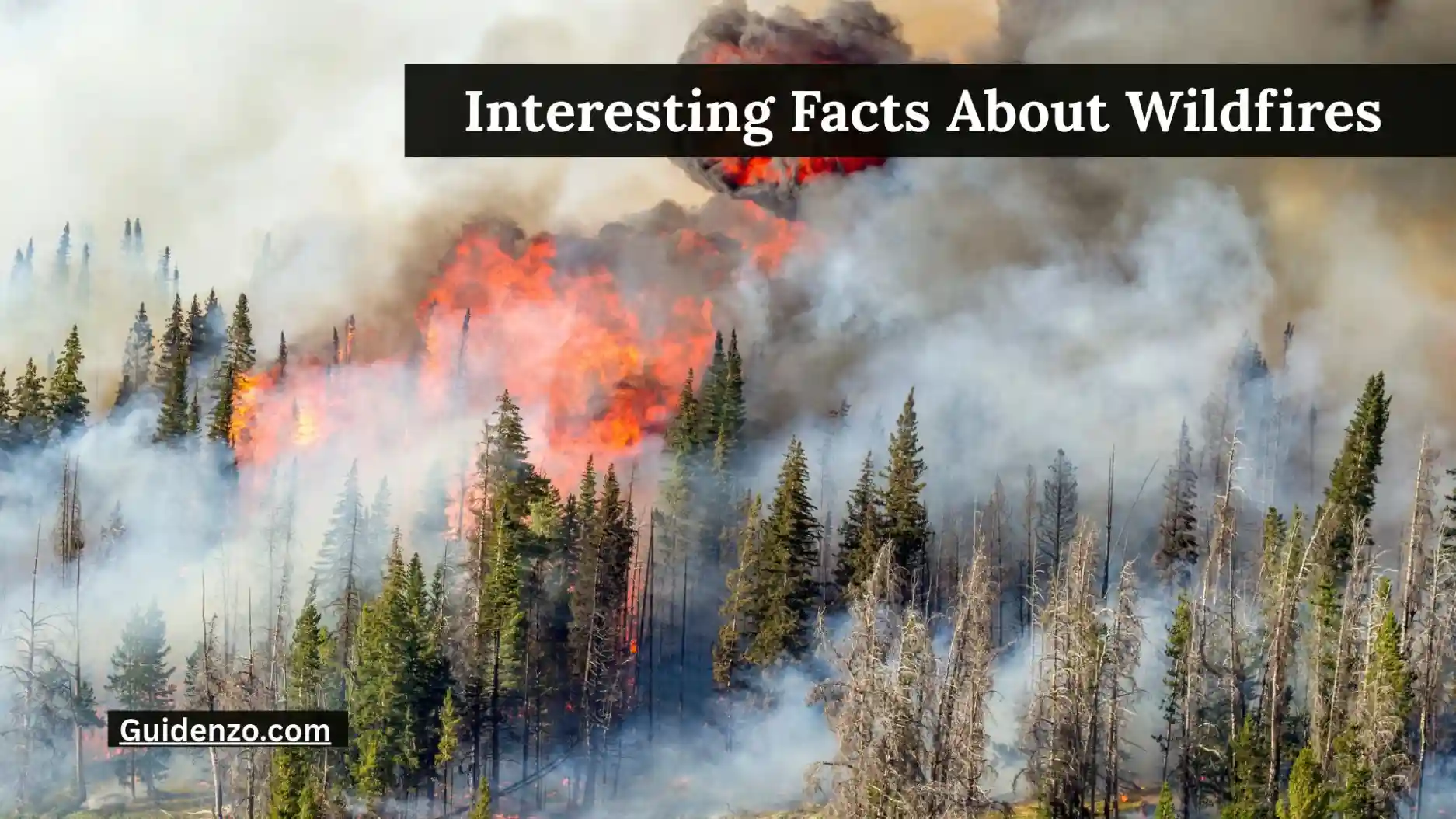
10 interesting facts about wildfires reveal that these powerful natural events are far more complex than simple forest fires. Wildfires can destroy communities, transform landscapes, and threaten wildlife, but they also play an important role in maintaining healthy ecosystems.
From ancient forests shaped by fire to modern technology used for wildfire prediction, these events show the complicated relationship between humans, climate, and nature. In this article, you will discover surprising wildfire facts, scientific explanations, historical events, environmental impacts, common myths, and why understanding wildfires is more important than ever.
Quick Answer
Wildfires are uncontrolled fires that spread through vegetation such as forests, grasslands, and shrublands. They can be caused by lightning, human activity, or extreme weather conditions. Some wildfires are naturally beneficial because they recycle nutrients and help certain plants reproduce, while others become destructive disasters due to drought, wind, and climate conditions.
Quick Facts Table
| Topic | Details |
| Category | Natural disasters and ecological processes |
| Scientific Study | Wildfire ecology and fire science |
| Main Locations | Forests, grasslands, shrublands, and dry regions worldwide |
| Main Causes | Lightning, human activity, drought, heat, and strong winds |
| Discovery | Humans have observed and used fire for hundreds of thousands of years |
| Age | Wildfires have existed naturally for millions of years |
| Size | Can range from a few acres to millions of acres |
| Affected Regions | North America, Australia, South America, Europe, Africa, and Asia |
| Lifespan | Hours, days, months, or longer depending on conditions |
| Fun Fact | Some plants need fire to release seeds and reproduce |
Main Interesting Facts About Wildfires
1. Wildfires Are One of Earth’s Oldest Natural Processes
The Fact
Wildfires have existed for millions of years, long before humans appeared on Earth. Scientists have discovered evidence of ancient fires preserved in fossil records, including charcoal deposits dating back hundreds of millions of years. These early fires occurred when vegetation, oxygen, and ignition sources combined under the right conditions.
Why It Matters
Understanding the ancient history of wildfires helps scientists recognize that fire is not always a human-caused disaster. Fire has always been part of Earth’s natural systems and has influenced how forests, grasslands, and plant species evolved.
Did You Know?
Some ecosystems are actually designed around regular fire cycles. For example, certain forests depend on occasional fires to remove old vegetation and create space for new growth.
Additional Context
Modern wildfire problems often happen when natural fire patterns are changed. Fire suppression policies, climate shifts, and human expansion into wild areas can increase the risk of severe fires.
2. Lightning Is One of the Most Important Natural Causes of Wildfires
The Fact
Lightning is one of the leading natural causes of wildfires around the world. When lightning strikes dry vegetation, the intense heat can ignite grass, leaves, trees, or other plant material. In some regions, especially forests with frequent thunderstorms, lightning starts thousands of fires every year.
Why It Matters
Lightning-caused fires are a natural part of many ecosystems. Unlike human-caused fires, they often occur in remote areas where they can spread naturally without immediately threatening communities.
Did You Know?
A lightning bolt can heat the air around it to temperatures hotter than the surface of the Sun for a brief moment.
Additional Context
The danger of lightning fires increases during droughts because dry plants contain less moisture and ignite more easily. Strong winds can then carry flames across large distances.
3. Humans Cause Many of the World’s Wildfires
The Fact
Although lightning causes many wildfires naturally, human activities are responsible for a large percentage of wildfire ignitions. Common causes include unattended campfires, discarded cigarettes, equipment sparks, power lines, fireworks, and intentional burning.
Why It Matters
Human-caused fires are often preventable. Simple actions such as properly extinguishing campfires and following local fire restrictions can significantly reduce wildfire risks.
Did You Know?
A single small spark can start a massive wildfire if conditions are dry, hot, and windy.
Additional Context
The impact of human-caused fires is especially serious because they often begin near roads, homes, and populated areas where they can spread quickly.
4. Wildfires Need Three Things to Burn: Heat, Fuel, and Oxygen
The Fact
Wildfires follow the same basic principle as any fire. They require three elements known as the fire triangle: heat, fuel, and oxygen. Remove one of these elements, and a fire becomes harder to maintain.
Why It Matters
Firefighters use this scientific concept to control wildfires. They may remove vegetation, create firebreaks, or use water and chemicals to reduce heat and slow fire movement.
Did You Know?
The fuel for a wildfire can include trees, grass, fallen leaves, dead branches, and even dry underground plant material.
Additional Context
Weather conditions strongly influence how these elements interact. High temperatures dry fuel, while wind supplies oxygen and pushes flames forward.
5. Some Wildfires Are Beneficial for Ecosystems
The Fact
Not all wildfires are harmful. Many ecosystems depend on periodic fires to remain healthy. Fire can clear old vegetation, return nutrients to soil, control certain pests, and create conditions for new plants to grow.
Why It Matters
A complete understanding of wildfires requires recognizing their ecological role. Preventing every fire can sometimes create conditions where future fires become more severe because fuel builds up over time.
Did You Know?
Some tree species, such as certain pine trees, have cones that open only after exposure to heat from fire.
Additional Context
Scientists study fire ecology to understand when fire helps nature and when it becomes destructive.
6. Wildfires Can Create Their Own Weather
The Fact
Large wildfires can become powerful enough to influence local weather conditions. Massive fires release enormous amounts of heat, causing rising air currents that can create clouds, strong winds, and even fire-generated thunderstorms.
Why It Matters
Fire-created weather can make wildfires unpredictable and harder to control. These conditions may cause sudden changes in fire direction and intensity.
Did You Know?
A large wildfire can produce a cloud called a pyrocumulus cloud, which forms from heat and moisture rising from the flames.
Additional Context
Some pyrocumulus clouds can develop into pyrocumulonimbus storms that produce lightning and spread fires further.
7. Wildfires Can Travel Faster Than People Expect
The Fact
Wildfires can spread rapidly, especially when strong winds, dry vegetation, and steep landscapes combine. Flames can move across open grasslands quickly, while burning embers can travel ahead of the main fire and ignite new areas.
Why It Matters
Many wildfire dangers come not only from flames but also from flying embers. These small burning materials can cross roads, rivers, and other barriers.
Did You Know?
Some embers can travel several miles under strong wind conditions.
Additional Context
Emergency officials often recommend evacuation plans because wildfire movement can change quickly.
8. Wildfires Have Major Effects on Air Quality
The Fact
Wildfires produce smoke containing gases and tiny particles called particulate matter. These particles can travel hundreds or thousands of miles, affecting air quality far from the actual fire location.
Why It Matters
Wildfire smoke can impact human health, especially for children, older adults, and people with breathing difficulties. Poor air quality can continue even after flames are controlled.
Did You Know?
Wildfire smoke from one region can sometimes affect air quality in distant cities.
Additional Context
Scientists monitor smoke movement using satellites, weather models, and air-quality monitoring systems.
9. Climate Conditions Can Increase Wildfire Risk
The Fact
Climate conditions strongly influence wildfire behavior. Hotter temperatures, longer dry seasons, reduced rainfall, and changing weather patterns can create environments where fires start more easily and spread more aggressively.
Why It Matters
Wildfire risk is not determined by temperature alone. The combination of heat, dryness, vegetation, wind, and human activity determines how dangerous conditions become.
Did You Know?
A drought can turn normally resistant vegetation into highly flammable material.
Additional Context
Researchers study climate patterns to improve wildfire forecasting and preparedness strategies.
10. Technology Is Changing How We Detect and Fight Wildfires
The Fact
Modern wildfire management uses advanced technology, including satellites, drones, artificial intelligence systems, weather models, and remote sensors. These tools help detect fires earlier and provide better information to firefighters.
Why It Matters
Early detection can save lives, protect property, and reduce environmental damage. Faster information allows emergency teams to respond before fires become uncontrollable.
Did You Know?
Satellites can detect heat signals from wildfires even in remote locations.
Additional Context
Technology does not eliminate wildfire risks, but it improves prediction, communication, and response.
11. Wildfires Can Change Entire Landscapes
The Fact
A wildfire can dramatically transform an ecosystem. It may remove forests, alter soil conditions, change water movement, and influence which plants return after the fire.
Why It Matters
Landscape changes affect animals, plants, and human communities. Some areas recover quickly, while others may take decades to rebuild.
Did You Know?
After a fire, some landscapes experience a period of rapid plant growth because nutrients return to the soil.
Additional Context
Recovery depends on fire intensity, climate, soil health, and the ability of native species to regenerate.
12. Animals Respond to Wildfires in Different Ways
The Fact
Wildfires affect wildlife differently depending on species, habitat, and fire intensity. Some animals escape quickly, while others use natural behaviors to survive.
Why It Matters
Understanding wildlife responses helps conservationists protect species and restore damaged habitats.
Did You Know?
Some animals can benefit from fires because new vegetation growth provides fresh food.
Additional Context
The long-term effects depend on whether animals have safe areas to move and whether habitats recover.
13. Forests Can Store Carbon, but Wildfires Release It
The Fact
Trees and plants store carbon dioxide as they grow. When wildfires burn vegetation, much of that stored carbon returns to the atmosphere as carbon dioxide and other gases.
Why It Matters
Large wildfires can influence carbon cycles and climate systems. Protecting forests helps maintain important carbon storage areas.
Did You Know?
Healthy forests act as natural carbon reservoirs.
Additional Context
Forest recovery after fire can eventually restore carbon storage if ecosystems regenerate successfully.
14. Firefighters Use Different Strategies to Control Wildfires
The Fact
Wildfire suppression involves many techniques, including creating fire lines, removing fuel, using aircraft to drop water or fire retardant, and carefully managing controlled burns.
Why It Matters
No single method works for every wildfire. Firefighters must consider weather, terrain, vegetation, and community risks.
Did You Know?
Controlled burns can reduce future wildfire intensity by removing excess vegetation.
Additional Context
Fire management requires careful planning because both fire and fire prevention can affect ecosystems.
15. Wildfire Smoke Can Affect Weather and Climate
The Fact
Large wildfire smoke plumes contain particles that can influence sunlight, clouds, and atmospheric conditions. Smoke can travel across continents and affect regions far away.
Why It Matters
Wildfires are not only local events. Their effects can extend across borders and influence environmental systems.
Did You Know?
Satellite images have captured wildfire smoke crossing oceans.
Additional Context
Scientists continue studying how increasing wildfire activity affects global atmospheric patterns.
Wildfire Timeline
| Year | Event |
| Ancient history | Natural wildfires existed millions of years ago and influenced ecosystems |
| 1800s | Large-scale forest management practices began developing |
| 1910 | The Great Fire of 1910 burned millions of acres in the western United States |
| 1988 | Yellowstone fires highlighted the ecological role of wildfire |
| 2000s | Satellite technology improved wildfire monitoring |
| 2010s–2020s | Extreme wildfire seasons increased global attention on climate and fire management |
Wildfire Statistics Table
| Statistic | Information |
| Largest wildfire regions | Often occur in forests, grasslands, and dry shrublands |
| Main ignition sources | Lightning and human activities |
| Major risk factors | Heat, drought, wind, and dry vegetation |
| Global impact | Affects ecosystems, air quality, wildlife, and communities |
| Detection methods | Satellites, aircraft, drones, and ground monitoring |
Myth vs Fact
| Myth | Fact |
| All wildfires are harmful | Some wildfires are necessary for healthy ecosystems |
| Only forests experience wildfires | Grasslands and shrublands can also burn extensively |
| Fire always destroys soil permanently | Some fires return nutrients and improve soil conditions |
| Wildfires only happen in hot climates | Fires occur in many regions worldwide |
| Humans cannot prevent wildfires | Many human-caused fires are preventable |
Common Misconceptions About Wildfires
Wildfires Are Always Natural Disasters
Many people think every wildfire is automatically harmful, but fire is a natural ecological process. The real problem occurs when fires become too frequent, too intense, or threaten human communities.
Putting Out Every Fire Is Always Best
Complete fire prevention can sometimes increase wildfire severity because vegetation builds up and creates more fuel.
Smoke Only Affects Areas Near Fire
Wildfire smoke can travel enormous distances and affect air quality far from the original fire.
Bigger Flames Always Mean Faster Spread
Fire behavior depends on many factors, including wind, terrain, fuel type, and moisture levels.
Why This Topic Matters Today
Wildfires are becoming an increasingly important environmental and safety issue. Communities around the world are experiencing greater wildfire risks because of changing climate conditions, expanding development near wild areas, and increasing pressure on natural landscapes.
Learning about wildfires helps people prepare better, reduce preventable causes, protect ecosystems, and understand the important role fire plays in nature.
Related Discoveries
Wildfire research connects with several important scientific fields:
- Fire ecology: The study of how fire influences ecosystems.
- Climate science: Research on how weather patterns affect wildfire conditions.
- Meteorology: The study of fire-related weather changes.
- Conservation biology: Understanding wildlife recovery after fires.
- Remote sensing: Using satellites and technology to monitor fires.
These fields work together to improve wildfire prediction and management.
Expert Insights
Experts explain that successful wildfire management requires balancing prevention with ecological understanding. Removing all fire from natural landscapes is not always possible or beneficial.
Modern approaches focus on:
- Reducing dangerous fuel buildup
- Improving early warning systems
- Creating wildfire-resistant communities
- Restoring healthy ecosystems
- Educating people about fire safety
The most effective wildfire strategies combine science, technology, and community action.
Frequently Asked Questions
What causes most wildfires?
Most wildfires are caused by either lightning or human activities. Human causes include campfires, equipment sparks, power lines, cigarettes, and intentional burning. Natural causes are especially common in regions with frequent thunderstorms.
Are wildfires good for nature?
Yes, some wildfires benefit ecosystems by recycling nutrients, supporting plant reproduction, and creating healthier habitats. However, extremely large or frequent wildfires can cause serious environmental damage.
How fast can a wildfire spread?
Wildfire speed depends on wind, fuel, terrain, and weather conditions. Under extreme conditions, fires can spread very quickly and change direction suddenly.
Why are wildfires increasing?
Wildfire activity can increase due to hotter temperatures, drought conditions, dry vegetation, human development, and changing weather patterns.
Can firefighters stop all wildfires?
No. Some wildfires become too large or dangerous to stop immediately. Firefighters focus on protecting people, controlling spread, and reducing damage.
How does wildfire smoke affect health?
Wildfire smoke contains tiny particles and gases that can irritate the lungs and affect air quality. Sensitive groups may experience stronger effects.
What animals benefit from wildfires?
Some animals benefit from new plant growth after fires. Certain species depend on fire-created habitats for food and reproduction.
Can forests recover after wildfires?
Many forests can recover naturally after fire, especially when native plants and animals have adapted to regular fire cycles.
What is a controlled burn?
A controlled burn is a carefully planned fire used to reduce excess vegetation and lower the risk of severe wildfires.
How can people prevent wildfires?
People can help by safely managing campfires, avoiding activities that create sparks during dry conditions, following fire restrictions, and reporting dangerous situations.
Key Takeaways
- Wildfires are ancient natural processes that shape many ecosystems.
- Fire can be both beneficial and destructive depending on conditions.
- Lightning and human activities are major wildfire causes.
- Weather, vegetation, and climate strongly influence fire behavior.
- Wildfire smoke can affect regions far from the flames.
- Technology helps scientists detect and manage fires.
- Responsible human actions can prevent many dangerous wildfires.
- Understanding fire ecology is essential for protecting nature and communities.
Conclusion
10 interesting facts about wildfires show that these powerful events are not simply disasters but complex natural forces that influence life on Earth. Wildfires can destroy homes and ecosystems, yet they also help maintain ecological balance in many environments.
By understanding how fires start, spread, and affect the planet, people can make smarter decisions about prevention, conservation, and safety. As climate conditions continue to change, knowledge about wildfires will become increasingly important for protecting communities, wildlife, and natural landscapes.

I am Amelia Whitmore, a writer fascinated by the strange, wonderful, and often overlooked details of our world. I love researching unusual facts about people, places, animals, and history. My goal is to share knowledge in a friendly way that sparks curiosity and encourages readers to keep discovering something new.
Books:
- Amazing Facts You Never Learned at School
- The Little Book of Big Surprises